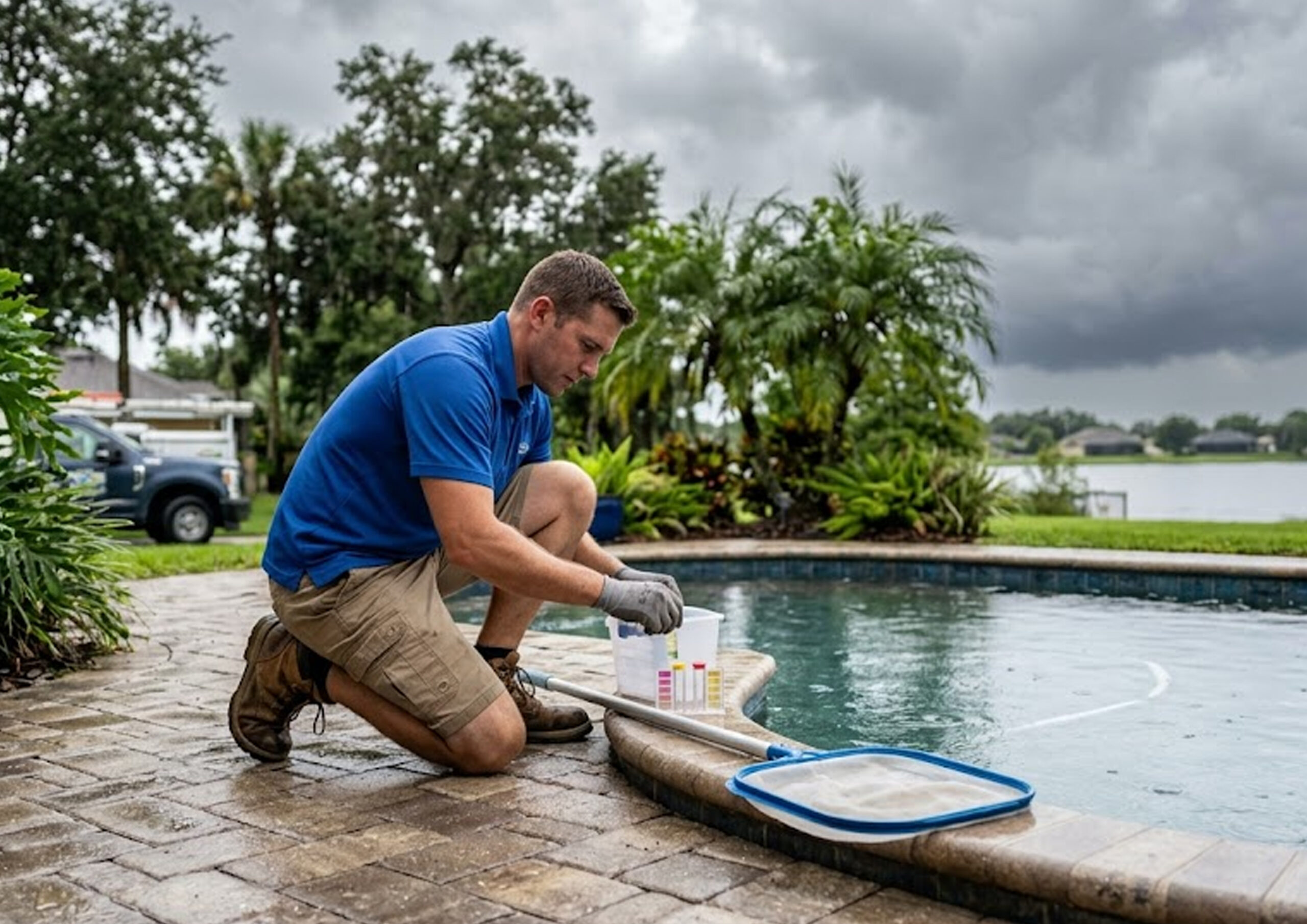
Rainy season in Lake Alfred can be tough on swimming pools. One week your water may look clear and balanced, and after a few heavy storms, it can become cloudy, diluted, full of debris, or more vulnerable to algae. For homeowners in Central Florida, seasonal rain is not just a weather inconvenience. It directly affects Pool Maintenance, water chemistry, equipment performance, and long-term pool condition.
The good news is that rainy-season pool problems can usually be managed with the right plan. By testing water more often, cleaning debris quickly, watching your water level, and catching repair issues early, you can keep your pool clean, safe, and ready to enjoy.
Extreme Pools Inc helps homeowners throughout Lake Alfred, Winter Haven, Auburndale, Eagle Lake, Bartow, Polk City, and surrounding Central Florida communities with Pool Maintenance, Pool Repairs, Pool Renovation, Pool Design, and Pool Construction.
Why Rainy Season Changes Pool Maintenance in Lake Alfred
Florida rain affects pools in several ways at once. Heavy rainfall can dilute chlorine, shift pH and alkalinity, wash debris into the pool, raise the water level, and put extra pressure on pumps and filters.
During rainy season, your pool may need more frequent attention because storms can quickly disrupt water balance. Even if the pool looked perfect before the rain, the chemistry may be different afterward.
Rainy-season conditions can cause:
- Lower sanitizer levels
- Cloudy water
- Algae growth
- Increased debris
- Higher water levels
- Poor skimmer performance
- Filter pressure changes
- Diluted chemicals
- Staining from organic material
- Equipment strain
- More frequent Pool Repairs
For Lake Alfred homeowners, a consistent Pool Maintenance plan is one of the best ways to avoid bigger problems during storm-heavy months.
Test Water More Often After Heavy Rain
Water testing is one of the most important rainy-season maintenance habits. Rainwater can dilute chemicals and affect pH, alkalinity, and sanitizer levels.
Your pool may still look clear after a storm, but that does not mean the water is balanced.
What to Test After Rain
After heavy rainfall, check:
- Chlorine level
- pH
- Alkalinity
- Calcium hardness
- Stabilizer level
- Salt level if you have a salt system
- Phosphates if algae is recurring
Balanced water protects swimmers, surfaces, equipment, and finishes. If chemistry stays off for too long, it can lead to algae, scaling, staining, corrosion, cloudy water, and surface damage.
Why Testing Matters More During Rainy Season
During dry weather, pool chemistry may remain more stable. During rainy season, every storm can change the water. That means a once-a-week check may not always be enough, especially after several days of storms.
Professional Pool Maintenance can help homeowners stay ahead of these changes instead of reacting after the water turns cloudy or green.
Keep Chlorine Levels Consistent
Rainwater can dilute chlorine, and cloudy storm conditions do not eliminate the need for sanitizer. In fact, after rain washes organic debris into the pool, chlorine may be used up faster as it works to break down contaminants.
Signs Chlorine May Be Too Low
You may notice:
- Cloudy water
- Dull-looking water
- Slippery pool walls
- Algae spots
- Strong unpleasant odor
- Water that does not feel clean
- Green or yellow discoloration
If chlorine levels fall too low, algae can grow quickly in Lake Alfred’s warm, humid climate.
How to Protect Chlorine Levels
During rainy season:
- Test chlorine after storms
- Remove debris quickly
- Brush pool surfaces
- Run the pump long enough
- Shock the pool when needed
- Keep stabilizer in the correct range
- Avoid guessing chemical amounts
Adding chemicals without testing can make water balance worse. Proper testing helps determine exactly what the pool needs.
Watch pH and Alkalinity Closely
Rain can affect pH and alkalinity, which are essential for comfortable and stable pool water. If these levels drift too far, chlorine may not work properly and the water may become irritating or damaging.
Problems Caused by High pH
High pH may lead to:
- Cloudy water
- Scaling
- Reduced chlorine effectiveness
- Staining
- Rough surfaces
- Filter problems
Problems Caused by Low pH
Low pH may cause:
- Eye irritation
- Corrosion
- Surface etching
- Metal damage
- Equipment wear
Why Alkalinity Matters
Alkalinity helps stabilize pH. If alkalinity is too low, pH can swing quickly. If alkalinity is too high, pH can become difficult to adjust.
Maintaining a steady rainy-season routine helps prevent small chemistry changes from becoming bigger pool problems.
Remove Leaves and Debris Quickly
Rainstorms often bring leaves, twigs, grass, pollen, insects, and dirt into the pool. If this debris sits too long, it can stain surfaces, clog baskets, feed algae, and affect water chemistry.
What to Clean After a Storm
After heavy rain or wind, check:
- Pool surface
- Pool floor
- Skimmer baskets
- Pump basket
- Cleaner bag or canister
- Steps and benches
- Tile line
- Tanning ledges
- Corners and low-flow areas
Debris should be removed as soon as possible. Organic material breaks down in the water and increases sanitizer demand.
Why Fast Cleanup Matters
Leaves and debris can cause:
- Staining
- Algae growth
- Cloudy water
- Clogged baskets
- Weak circulation
- Filter strain
- Unpleasant odors
- Higher chemical demand
A few minutes of cleanup after a storm can prevent hours of correction later.
Maintain the Proper Water Level
Rainy season often raises pool water above the ideal level. While low water can damage pumps, high water can also create problems.
If the water level gets too high, the skimmer may not work correctly. That means floating debris may stay in the pool instead of being pulled into the filtration system.
Problems Caused by High Water
High water levels can lead to:
- Poor skimmer performance
- Debris staying on the surface
- Diluted chemicals
- Overflow near deck areas
- Drainage concerns
- Reduced circulation effectiveness
Problems Caused by Low Water
Although rain usually raises water levels, evaporation and leaks can still cause low water between storms.
Low water can cause:
- Pump losing prime
- Skimmer pulling air
- Poor circulation
- Equipment damage
- Filter problems
If your pool water drops quickly even during rainy season, you may have a leak that requires Pool Repairs.
Run the Pool Pump Long Enough
Circulation is critical during rainy season. Your pump helps move water through the filter, distribute chemicals, and prevent stagnant areas where algae can grow.
After storms, running the pump long enough can help clear the water and filter out fine debris.
Why Circulation Matters
Good circulation helps:
- Distribute chlorine
- Improve filtration
- Prevent algae growth
- Reduce cloudy water
- Move debris toward skimmers
- Support salt systems
- Protect water balance
- Reduce dead spots
Signs Circulation May Be Poor
You may notice:
- Weak return jets
- Debris collecting in corners
- Cloudy water
- Algae on steps or ledges
- Air bubbles from returns
- Pump losing prime
- Skimmer not pulling debris
- Filter pressure problems
If circulation remains weak after baskets are cleaned and the water level is correct, professional Pool Repairs may be needed.
Clean Filters and Baskets More Frequently
Rainy season increases the amount of material your pool system has to process. Filters, skimmer baskets, and pump baskets may clog faster than usual.
When baskets or filters are dirty, water flow decreases and equipment works harder.
What to Check Regularly
Homeowners should check:
- Skimmer baskets
- Pump basket
- Cartridge filter
- Sand filter pressure
- DE filter pressure
- Pool cleaner bag
- Return flow
- Filter gauge readings
When Filter Problems Need Professional Attention
Call a pool professional if:
- Filter pressure rises quickly after cleaning
- Pressure is unusually low
- Water stays cloudy
- Flow remains weak
- Filter leaks
- Cartridge elements are damaged
- Sand or DE appears in the pool
- Equipment struggles after storms
Ignoring filter problems can lead to cloudy water, algae, pump strain, and more expensive Pool Repairs.
Brush the Pool After Storms
Brushing is especially important during rainy season because algae often starts in areas with poor circulation. Steps, benches, tanning ledges, corners, tile lines, and shaded areas need extra attention.
Areas to Brush Carefully
Focus on:
- Steps
- Corners
- Benches
- Tanning ledges
- Around ladders
- Tile line
- Shaded areas
- Behind water features
- Areas where debris collects
Brushing helps remove early algae growth and allows sanitizer to work more effectively.
Even if the pool looks clean, brushing can prevent problems before they become visible.
Prevent Algae Before It Starts
Algae is one of the most common rainy-season pool problems in Central Florida. Warm temperatures, diluted sanitizer, organic debris, and cloudy weather can create ideal conditions for algae growth.
Once algae appears, it can spread quickly.
Early Signs of Algae
Watch for:
- Green spots
- Yellow or mustard-colored patches
- Slippery walls
- Cloudy water
- Algae on steps
- Algae around ladders
- Recurring discoloration
- Water that looks dull
How to Reduce Algae Risk
To prevent algae:
- Keep chlorine consistent
- Test water after storms
- Brush surfaces often
- Remove debris quickly
- Clean filters and baskets
- Run the pump long enough
- Watch for poor circulation
- Schedule professional Pool Maintenance
Recurring algae may point to deeper issues such as weak filtration, old equipment, worn surfaces, or poor circulation.
Inspect Pool Equipment After Heavy Rain
Storms can reveal equipment problems that were not obvious before. The equipment pad should be checked after major rain events, especially if the area collects water.
Equipment Issues to Watch For
Look for:
- Water around the pump
- Leaking valves
- Dripping plumbing connections
- Pump struggling to prime
- Strange pump noises
- Air bubbles in return lines
- Filter pressure changes
- Heater errors
- Salt system warnings
- Automation problems
- Tripped breakers
- Lights malfunctioning
Why Equipment Checks Matter
Small equipment issues can become larger failures if ignored. A leaking pump seal, cracked fitting, or poor electrical connection can create bigger repair needs over time.
Fast Pool Repairs help protect your system and keep the pool usable during rainy season.
Be Careful with Pool Electrical Issues
Rainy weather can make electrical problems more noticeable. Pool lights, automation systems, pumps, heaters, and control panels should be inspected carefully if they behave unusually.
Call a Professional If You Notice:
- Pool lights flickering
- Breakers tripping
- Automation not responding
- Pump shutting off unexpectedly
- Heater error codes
- Water near electrical equipment
- GFCI issues
- Burning smells or unusual sounds
Never attempt electrical pool repairs yourself. Electricity near water requires professional service.
Protect the Pool Surface from Stains
Leaves, dirt, and organic material can stain pool surfaces if left too long. Rain can also introduce minerals and contaminants that contribute to discoloration.
Signs of Surface Problems
Watch for:
- Brown stains
- Greenish discoloration
- Rust-colored marks
- Dark spots under leaves
- Rough patches
- Scaling
- Etching
- Stains that do not brush away
When Stains May Require More Than Cleaning
Some stains can be treated with proper chemistry and brushing. Others may signal aging surfaces or deeper finish issues.
If stains keep returning or the pool surface feels rough, Pool Renovation may be worth considering. Resurfacing can improve appearance, comfort, and cleanability.
Know When Rainy-Season Problems Require Pool Repairs
Not every rainy-season issue is solved with chemicals. Sometimes cloudy water, water loss, poor flow, or recurring algae points to a repair problem.
Common Rainy-Season Pool Repairs
Homeowners may need repairs for:
- Pump problems
- Filter issues
- Plumbing leaks
- Valve leaks
- Equipment pad leaks
- Broken pool lights
- Automation failures
- Poor circulation
- Air leaks
- Surface cracks
- Damaged tile
- Coping issues
- Unexplained water loss
Call Extreme Pools Inc If:
- Water level drops unusually fast
- Pool stays cloudy after balancing
- Algae keeps returning
- Pump is loud or leaking
- Filter pressure is abnormal
- Water flow is weak
- Lights flicker
- Equipment shuts off
- Cracks appear
- Debris keeps collecting in dead spots
Early Pool Repairs can stop small issues from becoming more expensive problems.
Avoid Common Rainy-Season Pool Maintenance Mistakes
Many pool problems during rainy season come from simple mistakes that homeowners can avoid.
Mistake 1: Waiting Too Long After Storms
Storm cleanup should happen quickly. Waiting several days allows debris to break down, chlorine to drop, and algae to start.
Mistake 2: Adding Chemicals Without Testing
Guessing can create imbalance. Always test before adjusting chemicals.
Mistake 3: Ignoring Water Level
High water can reduce skimmer performance. Low water can damage equipment. Both matter.
Mistake 4: Not Cleaning the Filter
A dirty filter cannot keep up with storm debris. Check pressure and clean as needed.
Mistake 5: Ignoring Weak Circulation
Weak flow can lead to cloudy water and algae. If cleaning baskets and filters does not help, schedule service.
Mistake 6: Overlooking Equipment Leaks
A small leak near the equipment pad can become a larger repair issue.
How Professional Pool Maintenance Helps During Rainy Season
Rainy season is one of the best times to use professional Pool Maintenance. Regular service helps keep water balanced, equipment monitored, and repair issues identified early.
Professional Maintenance May Include:
- Water testing
- Chemical balancing
- Skimming
- Brushing
- Vacuuming
- Basket cleaning
- Filter checks
- Equipment inspections
- Water level monitoring
- Algae prevention
- Storm cleanup guidance
- Repair recommendations
For homeowners in Lake Alfred, professional service reduces guesswork and helps keep the pool ready for use between storms.
Pool Renovation Considerations After Rainy Season
Rainy season can reveal whether your pool is still performing well. If the same problems keep returning, renovation may be worth discussing.
Signs Pool Renovation May Be Needed
Consider Pool Renovation if:
- The surface is rough or stained
- Tile or coping is damaged
- The deck has drainage problems
- Equipment is outdated
- Water is hard to keep balanced
- Algae keeps returning
- Repairs are becoming frequent
- Lighting is poor
- The pool design no longer works
Renovation and upgrade demand is strong across Central Florida residential communities because homeowners want pools that are easier to maintain, more energy efficient, and better suited for everyday use.
Planning Better Pool Design for Rainy Conditions
If you are planning new Pool Construction or a major renovation, rainy-season maintenance should be part of the design conversation.
A smart Pool Design can make storm cleanup and long-term care easier.
Rain-Friendly Pool Design Choices
Consider:
- Strong circulation design
- Properly placed return jets
- Efficient filtration
- Good drainage around the deck
- Easy equipment access
- Slip-resistant decking
- Practical landscaping
- Durable interior finishes
- Automation controls
- LED lighting
- Manageable pool size
- Debris-conscious plant placement
Custom Pool Design trends in Lake Alfred and Eagle Lake often focus on beauty, comfort, and lower-maintenance outdoor living. Good design helps reduce future Pool Repairs and makes rainy-season care easier.
Why Choose Extreme Pools Inc for Pool Maintenance in Lake Alfred?
Extreme Pools Inc helps Lake Alfred homeowners keep their pools clean, balanced, safe, and efficient through Florida’s toughest weather conditions.
Our team understands how rainy season affects pools in Central Florida. From water chemistry and algae prevention to equipment inspections and repair recommendations, we provide practical service designed to protect your pool investment.
Our Services Include
- Pool Maintenance
- Pool Design
- Pool Construction
- Pool Renovation
- Pool Repairs
We proudly serve Lake Alfred, Winter Haven, Auburndale, Eagle Lake, Bartow, Polk City, and surrounding communities.
Final Thoughts: Rainy-Season Pool Care Requires Consistency
Handling Pool Maintenance in Lake Alfred during rainy season is all about consistency. Rain can quickly change water chemistry, raise water levels, add debris, and strain equipment. But with regular testing, cleaning, brushing, filtration, and professional support, your pool can stay clear and enjoyable.
Focus on:
- Testing water after storms
- Keeping chlorine steady
- Balancing pH and alkalinity
- Removing debris quickly
- Maintaining proper water level
- Running the pump long enough
- Cleaning baskets and filters
- Brushing algae-prone areas
- Inspecting equipment
- Scheduling Pool Repairs early
With the right maintenance plan, rainy season does not have to mean cloudy water, algae, or unexpected pool problems.
Schedule Pool Maintenance in Lake Alfred
Need help keeping your pool clean and balanced during rainy season?
Contact Extreme Pools Inc today to schedule a consultation, request a pool inspection, or discuss your backyard goals.