
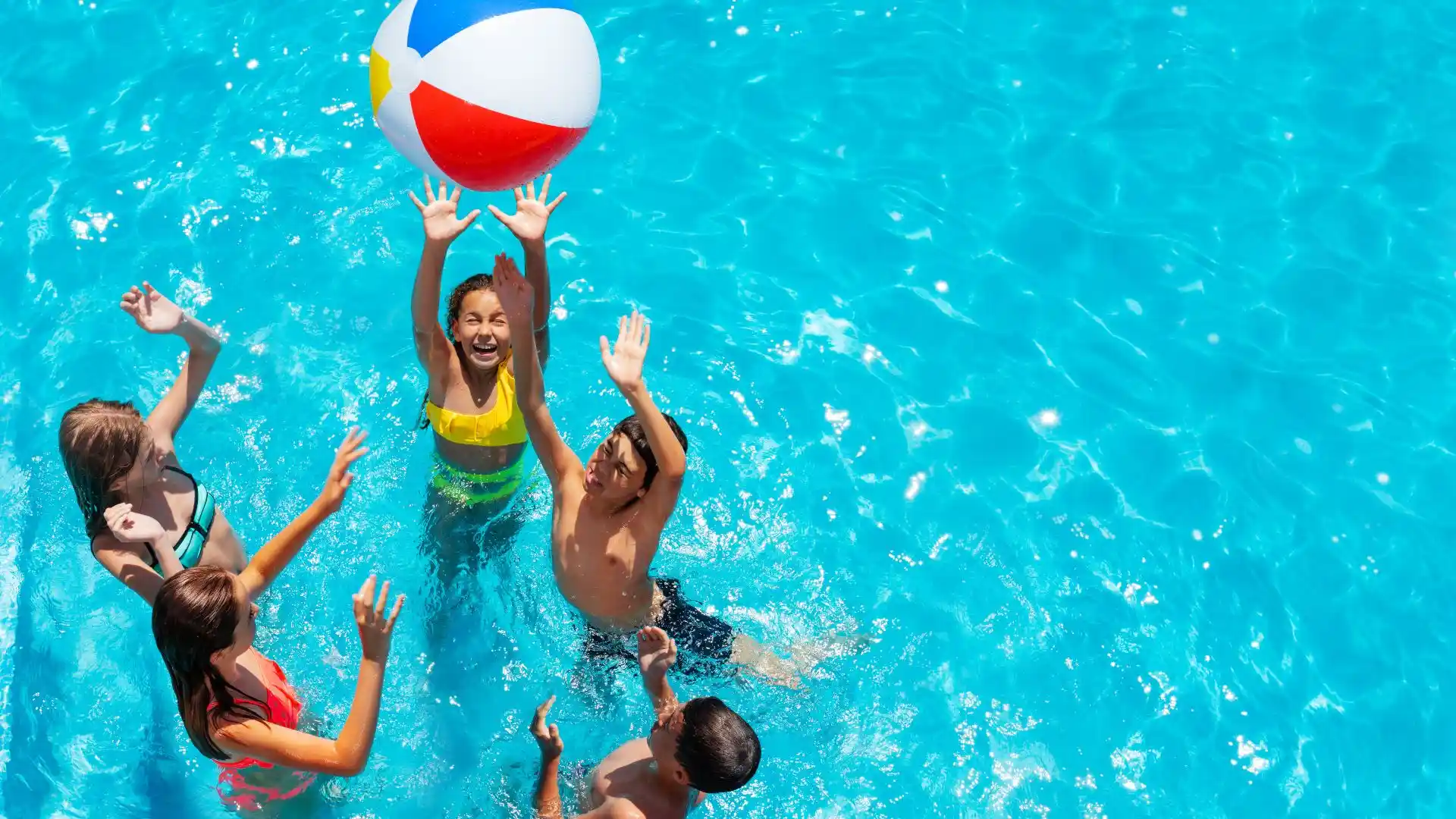
Owning a pool in Auburndale, FL is one of life’s great pleasures. The warm Central Florida sun makes a backyard pool the heart of family fun and relaxation. However, keeping that water crystal-clear takes more than a skimmer and sunshine. Pool chemical balancing is the foundation of a safe, healthy, and inviting swimming environment.
When your water chemistry is off, problems follow quickly. Cloudy water, skin irritation, and equipment damage are all common results. Because of this, understanding the basics of pool chemical balancing is essential for every Auburndale homeowner.
In this guide, Extreme Pools Inc. breaks down everything you need to know. From the key chemicals to test to practical tips for Central Florida’s unique climate, we’ve got you covered.
Why Pool Chemical Balancing Matters So Much in Central Florida
Central Florida’s climate is unlike most of the country. Long, hot summers, intense UV rays, and frequent afternoon storms all affect your pool water chemistry. As a result, local pools tend to need more frequent monitoring than pools in cooler climates.
Heavy rain dilutes your chemicals. High heat speeds up chlorine loss. Sunscreen, sweat, and heavy bather loads also throw off your balance. Furthermore, Florida’s naturally hard water can cause scaling and cloudy water if left unchecked.
Because of these factors, Auburndale pool owners benefit from staying on top of their water chemistry year-round. A well-balanced pool is also easier and less expensive to maintain over time.
The True Cost of Ignoring Water Chemistry
Unbalanced water doesn’t just look bad — it causes real damage. Acidic water can corrode your pool’s plumbing, fixtures, and pump components. On the other hand, water that’s too alkaline causes scale buildup on surfaces and equipment.
Additionally, swimmers in an unbalanced pool may experience red eyes, dry skin, or irritated sinuses. These are all signs that your pool chemical balancing routine needs attention. Therefore, regular testing is your best defense.
The Key Chemicals Every Pool Owner Should Know
Pool chemical balancing involves several important measurements. Each one plays a specific role in keeping your water safe and comfortable. First, let’s walk through the most important ones.
Chlorine: Your Pool’s Primary Sanitizer
Chlorine kills bacteria, viruses, and algae in your pool water. It is the most essential chemical in your maintenance routine. However, too much chlorine can irritate skin and bleach swimwear.
In Central Florida’s heat, chlorine burns off faster than in cooler climates. Because of this, you may need to add chlorine more frequently during summer months. Stabilized chlorine products can help extend its effectiveness under intense UV exposure.
pH Levels: The Balance Point of Your Pool
pH measures how acidic or basic your pool water is. A proper pH range keeps your chlorine working efficiently and protects swimmers. Water that’s too acidic or too basic reduces the effectiveness of your sanitizer.
Furthermore, low pH can damage pool surfaces and equipment over time. High pH causes cloudy water and scale deposits. Therefore, testing pH is one of the most important steps in your weekly pool care routine.
Total Alkalinity: pH’s Steady Partner
Total alkalinity acts as a buffer for your pH levels. It helps prevent rapid pH swings that can occur after heavy rain or chemical additions. In Florida, rainstorms can drop your alkalinity quickly.
Maintaining proper alkalinity makes pool chemical balancing much easier. Additionally, it helps your other chemicals work more effectively. Think of it as the stabilizing force behind your entire water chemistry system.
Calcium Hardness: Protecting Your Pool’s Surfaces
Calcium hardness refers to the amount of dissolved calcium in your pool water. Central Florida’s water supply tends to be naturally hard, which can lead to scaling. However, water that’s too soft can be corrosive to plaster and tile surfaces.
Monitoring calcium hardness protects your pool’s finish and extends its lifespan. Moreover, it prevents costly surface repairs down the road. Testing calcium hardness monthly is a smart habit for Auburndale pool owners.
Cyanuric Acid: Your Chlorine’s Sunscreen
Cyanuric acid, sometimes called a chlorine stabilizer, protects chlorine from being destroyed by UV rays. This is especially important in sunny Central Florida. Without it, chlorine can break down within hours of exposure to sunlight.
However, too much cyanuric acid reduces chlorine’s ability to sanitize effectively. Therefore, keeping it within the recommended range is essential. Test it regularly and adjust as needed throughout the swim season.
Building a Pool Chemical Balancing Routine in Auburndale
A consistent routine makes pool chemical balancing far less stressful. Rather than reacting to problems, you stay ahead of them. Here’s a simple framework to follow throughout the year.
Test Your Water at Least Once a Week
Weekly testing gives you an accurate picture of your water chemistry. Use a reliable test kit or digital tester for the most accurate results. Test strips are convenient, but liquid kits and digital testers offer greater accuracy.
Additionally, you should test your water after heavy rain, a large pool party, or any major chemical addition. These events can quickly shift your chemical balance. The sooner you identify an imbalance, the easier it is to correct.
Add Chemicals in the Right Order
When adjusting your pool chemistry, order matters. Always adjust total alkalinity first, then pH, and finally chlorine and other chemicals. This sequence allows each adjustment to work properly before the next one is added.
Furthermore, always add chemicals to the water — never mix them together directly. Allow time for each chemical to circulate before adding another. Run your pump during and after chemical additions for even distribution.
Shock Your Pool Regularly
Pool shocking means adding a large dose of chlorine to eliminate contaminants and restore water clarity. In Florida’s heat, shocking your pool every one to two weeks is a common recommendation. After heavy use or a rainstorm, shocking helps restore balance quickly.
Also, shock your pool in the evening when sunlight won’t burn off the chlorine immediately. This gives the shock treatment time to work through the night. As a result, you’ll wake up to cleaner, clearer water.
Keep Your Equipment in Good Shape
Your pump, filter, and skimmer all work together to keep your pool water clean. A poorly functioning filter makes chemical balancing harder. Therefore, clean your filter regularly and inspect your equipment for signs of wear.
Meanwhile, make sure your pump runs long enough each day to fully circulate the water. Proper circulation helps distribute chemicals evenly throughout your pool. In Central Florida’s warm climate, longer run times are often necessary during peak summer months.
Seasonal Tips for Central Florida Pool Owners
Florida’s climate means your pool is likely in use far longer than pools in other states. However, the season still brings changes that affect your chemical routine. Here’s how to adjust throughout the year.
- Spring: Test and adjust after winter. Check all chemical levels before swim season ramps up.
- Summer: Test more frequently due to heavy use, heat, and rain. Shock weekly and monitor chlorine closely.
- Fall: Watch for leaves and debris that can affect water chemistry. Continue regular testing.
- Winter: Even in Auburndale, cooler temps can affect chemical needs. Keep testing monthly and maintain circulation.
Additionally, Central Florida’s rainy season typically runs from late spring through early fall. Heavy rainfall can significantly dilute your chemicals in a short period. Because of this, always test after major rain events and rebalance as needed.
Ready to enjoy a perfectly balanced pool without the guesswork? Contact Extreme Pools today and let our team help you build or upgrade the backyard oasis you deserve.
Common Pool Chemical Balancing Mistakes to Avoid
Even experienced pool owners make mistakes with water chemistry. Knowing what to avoid saves time, money, and frustration. Here are some of the most common pitfalls.
- Skipping regular testing: Guessing your chemical levels leads to imbalance and expensive corrections.
- Adding too many chemicals at once: Overdosing can create new problems. Add chemicals gradually and retest.
- Ignoring stabilizer levels: In sunny Florida, low cyanuric acid means wasted chlorine and unsafe water.
- Running the pump too little: Poor circulation makes it hard for chemicals to do their job effectively.
- Storing chemicals improperly: Keep chemicals in a cool, dry place away from direct sunlight and moisture.
Furthermore, never mix different pool chemicals together before adding them to your pool. This can cause dangerous reactions. Always handle pool chemicals with care and follow manufacturer instructions.
Frequently Asked Questions About Pool Chemical Balancing
How often should I test my pool water in Auburndale?
Test your pool water at least once a week during regular use. During heavy swim season or after storms, test two to three times per week. Consistent testing is the key to easy pool chemical balancing.
What’s the most important chemical level to check first?
Start with total alkalinity, then move to pH, and finally check your chlorine levels. Alkalinity stabilizes pH, which in turn helps chlorine work effectively. This order makes the balancing process much smoother.
Why does my pool keep turning green in the summer?
Green water usually means algae is growing due to low chlorine or poor circulation. Central Florida’s heat and sunlight create ideal conditions for algae. Therefore, consistent shocking and proper chemical balancing are your best prevention strategies.
Can I over-chlorinate my pool?
Yes, too much chlorine can irritate eyes and skin and damage pool surfaces over time. Always follow dosage guidelines and retest after adding chemicals. If chlorine levels are too high, simply wait and retest before allowing swimmers back in.
Do I need a professional to help with pool chemical balancing?
Many homeowners manage their own chemical balancing successfully with the right tools and knowledge. However, a professional can help if you’re consistently struggling with water clarity or balance. Call us at 863-289-9619 for friendly expert guidance from a trusted Central Florida pool team.
Trust Extreme Pools Inc. for All Your Pool Needs in Auburndale
At Extreme Pools Inc., we are passionate about helping Central Florida homeowners enjoy their pools to the fullest. From custom pool design and new construction to full renovations and remodeling, our team brings craftsmanship and care to every project. We serve Auburndale and communities throughout the Central Florida area with 5-star service.
We understand the local climate, the outdoor lifestyle, and the unique challenges that come with pool ownership in Florida. Moreover, we are here to answer your questions and support you every step of the way. Our goal is simple — to turn your backyard dreams into a reality built for lifetime memories.
Whether you’re building a new pool, remodeling an existing one, or simply looking for expert advice on pool care, we’re ready to help. Call us today at 863-289-9619 during our business hours of 9 AM to 4 PM. Transform your backyard into the oasis you’ve always dreamed of with Extreme Pools Inc.
Extreme Pools Inc. serves homeowners throughout Central Florida, including Auburndale and surrounding communities. Contact us to learn more about our custom pool design, new construction, and renovation services.