
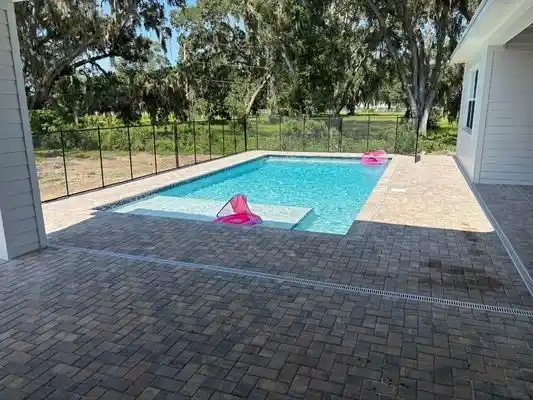
Owning a pool in Bartow, FL is one of the great joys of Central Florida living. However, keeping that water sparkling clean takes more than just running the pump. Pool chemical balancing is the foundation of a healthy, safe, and beautiful pool. Without it, your water can quickly turn cloudy, irritating, or even unsafe for swimmers.
Fortunately, balancing your pool chemicals does not have to feel overwhelming. Once you understand the basics, it becomes a straightforward part of your regular pool routine. In fact, most Bartow homeowners find that a consistent schedule makes the whole process simple and stress-free.
At Extreme Pools Inc., we help Central Florida homeowners enjoy their pools with confidence. In this guide, we cover everything you need to know about pool chemical balancing — from the key numbers to watch to the seasonal tips that keep your water perfect year-round.
Why Pool Chemical Balancing Matters in Central Florida
Central Florida’s warm, sunny climate creates ideal conditions for swimming almost every month of the year. However, that same sunshine and heat also accelerates chemical changes in your pool water. Because of this, Bartow homeowners need to stay more attentive to water chemistry than pool owners in cooler climates.
Unbalanced water causes a range of problems. For example, low sanitizer levels allow algae and bacteria to thrive. On the other hand, water that is too harsh can irritate eyes and skin, damage pool equipment, and shorten the lifespan of your pool’s surfaces.
Moreover, Florida’s frequent rain and outdoor debris add extra variables to your water balance. Therefore, regular testing and adjusting are essential — not optional — for every Central Florida pool owner.
The Real Cost of Ignoring Water Balance
Neglecting pool chemical balancing leads to costly consequences. First, algae blooms are expensive to treat and can stain pool surfaces. Additionally, imbalanced water can corrode pumps, filters, and heaters. As a result, a small investment in routine chemical maintenance saves you significantly over time.
Furthermore, balanced water simply feels better. Swimmers enjoy crystal-clear water that does not sting their eyes or leave their skin dry. That is the kind of pool experience every Bartow homeowner deserves.
The Key Pool Chemicals You Need to Understand
Pool chemical balancing involves monitoring several key water parameters. Each one plays a specific role in keeping your water safe, clean, and comfortable. Here is a breakdown of the most important ones.
pH Level
pH measures how acidic or basic your pool water is. The ideal range is between 7.2 and 7.6. Water below 7.2 is too acidic and can irritate swimmers and corrode surfaces. Water above 7.6 is too basic, which reduces the effectiveness of your chlorine.
Because of Bartow’s warm temperatures, pH levels can shift quickly. Therefore, test your pH at least twice per week during peak swim season. Adjust with pH increaser or pH decreaser as needed.
Chlorine Levels
Chlorine is your pool’s primary sanitizer. It kills bacteria, viruses, and algae that would otherwise make your water unsafe. The ideal free chlorine level for most residential pools is between 1 and 3 parts per million (ppm).
In Central Florida, UV rays from the intense sun burn off chlorine quickly. Additionally, heavy pool use and summer rainstorms dilute your chlorine faster than you might expect. For this reason, many Bartow homeowners use stabilized chlorine or add a UV stabilizer called cyanuric acid to protect their chlorine levels.
Alkalinity
Total alkalinity acts as a buffer for your pH level. It keeps your pH from swinging wildly up or down. The recommended range is between 80 and 120 ppm.
When alkalinity is too low, pH becomes unstable and difficult to control. Meanwhile, alkalinity that is too high makes it harder to adjust your pH at all. Therefore, always balance your alkalinity before adjusting pH — it makes the whole process easier.
Calcium Hardness
Calcium hardness measures the amount of dissolved calcium in your water. The ideal range is typically between 200 and 400 ppm. Too little calcium causes water to become aggressive, meaning it pulls minerals from your pool’s plaster and tile. Too much calcium leads to scaling and cloudy water.
Central Florida’s water supply can vary in hardness depending on the source. As a result, it is worth testing calcium hardness monthly and adjusting as needed.
Cyanuric Acid (Stabilizer)
Cyanuric acid, often called pool stabilizer or conditioner, protects chlorine from UV degradation. In sunny Bartow, this is especially important. The recommended range is between 30 and 50 ppm for most pools. However, avoid letting it creep too high, as excessive stabilizer reduces chlorine’s sanitizing power.
How to Test Your Pool Water the Right Way
Accurate testing is the first step in effective pool chemical balancing. There are several ways to test your water, and each has its advantages.
Test Strips
Test strips are the fastest and most affordable option. Simply dip a strip into the water and compare the color results to the guide on the bottle. They measure pH, chlorine, alkalinity, and sometimes more. However, they are less precise than other methods.
Liquid Test Kits
Liquid test kits offer more accurate readings than strips. You add a few drops of reagent to a water sample and observe the color change. These kits are a great choice for Bartow homeowners who want more reliable results.
Professional Water Testing
For the most precise analysis, bring a water sample to a pool supply store or contact a local pool professional. Many pool builders and service companies in Central Florida offer water testing as a helpful resource. If your water chemistry is consistently off, a professional test can pinpoint the exact issue.
We recommend testing your pool water at least two to three times per week during summer and once per week in cooler months. Consistent testing is the key to staying ahead of problems before they develop.
A Simple Pool Chemical Balancing Routine for Bartow Homeowners
Creating a regular maintenance routine makes pool chemical balancing much easier. Here is a simple weekly schedule to follow:
- Test water chemistry two to three times per week
- Adjust pH and alkalinity first before making other changes
- Check and replenish chlorine levels as needed
- Shock the pool weekly or after heavy rain or heavy pool use
- Check stabilizer levels monthly and adjust if necessary
- Test calcium hardness once a month
- Clean and inspect filters regularly to support proper water circulation
Additionally, always add chemicals one at a time. Wait for each chemical to fully circulate before adding the next. This prevents dangerous reactions and gives you accurate results when you retest.
Seasonal Tips for Pool Chemical Balancing in Bartow, FL
Central Florida’s seasons affect your pool chemistry more than most homeowners realize. Therefore, adjusting your routine with the seasons is an important part of smart pool ownership.
Summer
Summer is the most demanding season for pool chemical balancing in Bartow. The intense sun, high temperatures, and frequent afternoon thunderstorms all challenge your water chemistry. Test more frequently and be ready to shock your pool after heavy rain. Also, keep a close eye on chlorine and stabilizer levels during peak swim season.
Fall and Winter
Central Florida winters are mild, but pool use typically slows down. However, do not stop maintaining your water chemistry entirely. Furthermore, cooler water can affect chemical reaction rates. Keep testing weekly and maintain proper balance even if swimming is less frequent. A well-maintained pool in winter is much easier to open for spring use.
After Storms
Bartow and the surrounding area see frequent summer storms. Rain dilutes pool chemicals and introduces contaminants from runoff. After any significant storm, test your water promptly and adjust chemicals as needed. Shocking the pool after a storm is almost always a good idea.
Common Pool Chemical Balancing Mistakes to Avoid
Even experienced pool owners make mistakes. Here are some common ones to watch out for:
- Adding chemicals directly to the skimmer: This can concentrate chemicals in your filter system and cause damage. Always add chemicals to the pool water directly.
- Adding chemicals without testing first: Guessing your chemical levels leads to over- or under-treating your water. Always test before adjusting.
- Mixing chemicals together: Never mix two pool chemicals before adding them to your pool. This can cause dangerous reactions.
- Ignoring alkalinity: Many homeowners focus only on pH and chlorine. However, alkalinity is the foundation of balanced water. Start there.
- Skipping shock treatments: Regular shocking removes combined chlorine (chloramines) that cause that strong chlorine smell and eye irritation. Do not skip this step.
Ready to enjoy a perfectly balanced, beautiful pool without the guesswork? Contact Extreme Pools and let our Central Florida pool experts help you get the most out of your backyard oasis.
Frequently Asked Questions About Pool Chemical Balancing
How often should I test my pool water in Bartow?
During summer, test your water two to three times per week. In cooler months, once per week is generally sufficient. Additionally, always test after heavy rain or unusually high pool use.
What should I balance first — pH or chlorine?
Always balance alkalinity first, then pH, and finally chlorine. Alkalinity stabilizes your pH, which in turn allows your chlorine to work effectively. Following this order makes pool chemical balancing more efficient and accurate.
Why does my pool water look cloudy even after adding chemicals?
Cloudy water usually indicates imbalanced pH, low chlorine, high calcium hardness, or a filtration issue. First, test all your water parameters to identify the problem. Then address alkalinity and pH before adding more chlorine. If the issue persists, contact a pool professional for a thorough water analysis.
Is it safe to swim right after adding pool chemicals?
Generally, wait at least 15 to 30 minutes after adding most chemicals before swimming. However, after shocking your pool, wait until your free chlorine drops back to a safe level — typically below 3 ppm. Always read the label instructions for each product.
Can Central Florida rain affect my pool’s chemical balance?
Absolutely. Rain dilutes chlorine and stabilizer levels and can shift your pH significantly. Moreover, runoff carries contaminants into your pool. Therefore, always test and rebalance your water after any significant rainfall in the Bartow area.
Trust Extreme Pools Inc. for Your Central Florida Pool Needs
Pool chemical balancing is a skill that every Bartow pool owner can master with the right knowledge and a consistent routine. Central Florida’s warm climate and long swim season make proper water chemistry especially important — and especially rewarding when done right.
At Extreme Pools Inc., we are passionate about helping Central Florida homeowners enjoy safe, beautiful, and low-maintenance pools. Whether you are building a brand-new custom pool, remodeling an existing one, or simply looking for expert advice, we are here to help every step of the way.
Call us today at 863-289-9619 between 9 AM and 4 PM. Our friendly, experienced team is ready to answer your questions and help you transform your backyard into the outdoor oasis you have always dreamed of. Transform your backyard into the oasis you’ve always dreamed of with Extreme Pools — where every pool is made for lifetime memories.
Extreme Pools Inc. proudly serves homeowners throughout Central Florida, including Bartow and surrounding communities.