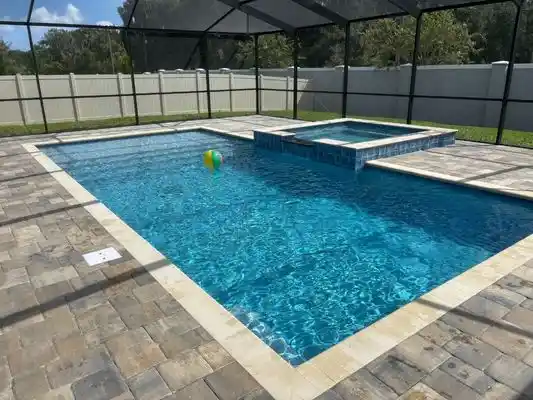
Owning a pool in Eagle Lake, FL, is one of life’s great pleasures. However, keeping that water clean, clear, and safe takes a little know-how. Pool chemical balancing is the foundation of every healthy, enjoyable swim season — and in Central Florida’s warm, sunny climate, it matters more than ever.
Because of this region’s year-round heat and intense UV exposure, pool chemistry can shift quickly. Therefore, Eagle Lake homeowners need to stay on top of their water balance consistently. Whether you’re a new pool owner or a seasoned pro, understanding the basics will save you time, money, and frustration.
At Extreme Pools Inc., we’ve helped Central Florida homeowners build, renovate, and maintain beautiful backyard pools for years. In this guide, we’ll walk you through everything you need to know to keep your Eagle Lake pool sparkling all season long.
Why Pool Chemical Balancing Matters in Eagle Lake
Eagle Lake sits right in the heart of Central Florida, where sunshine is practically a daily guarantee. Additionally, warm temperatures mean your pool gets heavy use throughout most of the year. That combination creates the perfect conditions for algae growth, bacterial buildup, and rapid chemical changes.
Unbalanced water isn’t just unappealing — it can also be harmful. For example, water that’s too acidic can irritate swimmers’ eyes and skin. On the other hand, water that’s too basic can cause scale buildup on your pool’s surfaces and equipment.
Moreover, imbalanced chemistry can shorten the life of your pool’s plaster, tile, and mechanical systems. Therefore, regular pool chemical balancing protects your investment and keeps your family safe.
The Florida Climate Factor
Central Florida’s heat and sun are hard on pool chemistry. High temperatures speed up chlorine consumption dramatically. Furthermore, summer rainstorms — which Eagle Lake gets plenty of — can dilute chemicals and shift your water’s pH level overnight.
Additionally, heavy bather loads during long swim seasons push chemical demand even higher. As a result, what works in a cooler climate simply isn’t enough here. Eagle Lake pool owners need to test and adjust more frequently than homeowners in other parts of the country.
The Key Chemical Levels Every Pool Owner Should Know
Pool chemical balancing starts with understanding a handful of core measurements. Each one plays a specific role in keeping your water safe and comfortable. Let’s break them down in plain language.
pH Level
pH measures how acidic or basic your water is. It’s one of the most important numbers in your pool. Ideally, you want your pH to sit between 7.2 and 7.6 for comfortable swimming and effective sanitization.
Low pH makes water acidic, which can sting eyes and corrode pool surfaces. High pH reduces chlorine’s effectiveness, which allows bacteria and algae to thrive. Therefore, checking pH at least twice a week during the busy Florida swim season is a smart habit.
Chlorine
Chlorine is your pool’s primary sanitizer. It kills bacteria, destroys algae, and keeps your water safe to swim in. In Central Florida’s intense heat and UV-heavy environment, chlorine breaks down quickly.
As a result, free chlorine levels should stay between 1 and 3 parts per million (ppm) at all times. Additionally, you can use stabilized chlorine products or add cyanuric acid to help chlorine last longer under the Florida sun.
Total Alkalinity
Total alkalinity acts as a buffer for your pool’s pH level. Furthermore, it helps prevent dramatic swings in pH from rain, heavy use, or chemical additions. Aim to keep total alkalinity between 80 and 120 ppm.
When alkalinity is too low, pH becomes unstable and bounces around. When it’s too high, pH becomes difficult to adjust. Therefore, balancing alkalinity first makes every other chemical adjustment easier and more effective.
Calcium Hardness
Calcium hardness refers to the amount of dissolved calcium in your pool water. In Eagle Lake and much of Central Florida, groundwater tends to be relatively hard. As a result, calcium buildup on pool walls, tile, and equipment can become a real issue.
Generally, calcium hardness should stay between 200 and 400 ppm. Additionally, low calcium levels can cause water to pull calcium from plaster surfaces, leading to pitting and etching over time. Monitoring this level helps protect your pool’s finish.
Cyanuric Acid (CYA)
Cyanuric acid, often called a stabilizer or conditioner, protects chlorine from UV degradation. Because Central Florida gets so much direct sunlight, CYA is especially important here. Without it, chlorine can burn off within hours on a sunny Florida afternoon.
However, too much CYA reduces chlorine’s ability to sanitize effectively. Therefore, keep CYA levels between 30 and 50 ppm for the best results. Test this level monthly and drain partially if it climbs too high.
How to Test Your Pool Water in Eagle Lake
Accurate testing is the first step in successful pool chemical balancing. Fortunately, testing is simple and inexpensive for most homeowners. You have a few reliable options to choose from.
Test Strips
Test strips are the quickest and easiest option for routine checks. Simply dip a strip into the pool, wait a few seconds, and compare the color results to the guide on the package. They measure pH, chlorine, alkalinity, and sometimes CYA all at once.
However, test strips can sometimes be less precise than other methods. Therefore, use them for quick daily or every-other-day checks rather than relying on them for major chemical adjustments.
Liquid Test Kits
Liquid test kits offer more precise readings than strips. They use reagent drops that react with pool water to produce color changes. As a result, they’re a favorite among serious pool owners who want accurate data before making chemical changes.
Professional Water Testing
Many pool supply stores in Central Florida offer free professional water testing. Simply bring in a water sample and they’ll analyze it on the spot. Additionally, Extreme Pools Inc. can point you toward local resources and help you interpret results. This is especially helpful at the start of the swim season or after a major rain event.
Step-by-Step Pool Chemical Balancing Routine
A consistent routine makes pool chemical balancing much less overwhelming. Here’s a simple, effective order of operations that Eagle Lake pool owners can follow:
- Test your water first. Always start with accurate readings before adding any chemicals.
- Adjust total alkalinity. Get this right first, and pH adjustments will be easier to make.
- Correct pH. Add pH increaser (sodium carbonate) to raise it or pH decreaser (muriatic acid) to lower it.
- Check and adjust calcium hardness. Add calcium chloride if levels are too low.
- Add or adjust chlorine. Bring free chlorine to the proper range using your preferred sanitizer.
- Verify CYA levels. Add stabilizer if needed, especially at the start of the swim season.
- Shock the pool weekly or after heavy use. Shocking oxidizes contaminants and resets chlorine effectiveness.
- Run the pump and filter. Circulate water for several hours after chemical additions to distribute them evenly.
Following this order consistently — especially during Central Florida’s long, hot swim season — keeps your Eagle Lake pool in top shape all year long.
Need personalized guidance? Contact Extreme Pools and our friendly team will be happy to help you get your pool chemistry dialed in.
Common Pool Chemical Problems in Eagle Lake
Even careful pool owners run into chemistry issues from time to time. Central Florida’s climate creates some common challenges that are worth knowing about in advance.
Green or Cloudy Water
Green water usually signals an algae bloom, often caused by low or depleted chlorine. Cloudy water, on the other hand, can result from high pH, low chlorine, or fine particles suspended in the water. Both are fixable with proper chemical adjustment and shocking.
Chlorine Smell and Eye Irritation
A strong chlorine smell doesn’t mean you have too much chlorine — it often means you have too little. That sharp odor comes from chloramines, which are compounds formed when chlorine reacts with contaminants like sweat and sunscreen. Therefore, shocking the pool breaks up chloramines and restores water freshness.
Scale and Staining
Scale buildup and staining on pool walls or tile often indicate high calcium hardness or high pH. Furthermore, Central Florida’s naturally hard water can make this issue more common than in other regions. Regular testing and timely adjustments help prevent these problems before they become costly to fix.
Frequently Asked Questions About Pool Chemical Balancing
How often should I test my pool water in Eagle Lake?
During the active swim season, test your water at least two to three times per week. Additionally, test after heavy rain, large parties, or any visible changes in water clarity. Central Florida’s heat and UV levels make frequent testing especially important.
Can I swim right after adding chemicals?
It depends on what was added. After adding chlorine or pH adjusters, wait at least 30 minutes and run the pump to circulate the chemicals. However, after shocking, wait until chlorine levels return to a safe range — typically several hours or overnight.
What should I do after a Florida rainstorm?
Heavy rain can dilute your chemicals and shift pH and alkalinity levels. Therefore, test your water as soon as possible after a significant storm. Adjust alkalinity and pH first, then recheck chlorine and other levels.
Why does my pool use so much chlorine in the summer?
Central Florida summers are intense. High temperatures, heavy UV exposure, and frequent use all accelerate chlorine loss. As a result, you may need to add chlorine more frequently during peak summer months. Using a stabilizer like cyanuric acid helps extend chlorine’s lifespan in the Florida sun.
Is it worth hiring a professional pool service in Eagle Lake?
Absolutely. A professional service takes the guesswork out of chemical balancing and catches problems early. Moreover, for busy homeowners who want to simply enjoy their pool rather than manage it, professional maintenance is well worth considering. Call Extreme Pools Inc. at 863-289-9619 to learn more about what we offer.
Keep Your Eagle Lake Pool Beautiful Year-Round
Pool chemical balancing doesn’t have to be complicated. With the right knowledge, a consistent routine, and a little attention to Central Florida’s unique climate conditions, your Eagle Lake pool can stay clean, clear, and inviting all year long.
Furthermore, a well-maintained pool is a joy to own. It’s where memories are made — from summer afternoons with the kids to relaxed evenings under the Florida stars. Protecting that experience starts with taking your water chemistry seriously.
At Extreme Pools Inc., we’re more than a pool builder. We’re your local partner in creating and maintaining the backyard oasis you’ve always dreamed of. Whether you need guidance on pool chemistry, a full renovation, or a brand-new custom build, our team is here to help.
Call us today at 863-289-9619 — we’re available from 9 AM to 4 PM — or visit us online to get started. Let Extreme Pools Inc. help you transform your backyard into the outdoor living space your family deserves.
Extreme Pools Inc. proudly serves homeowners throughout Central Florida, including Eagle Lake and surrounding communities.