
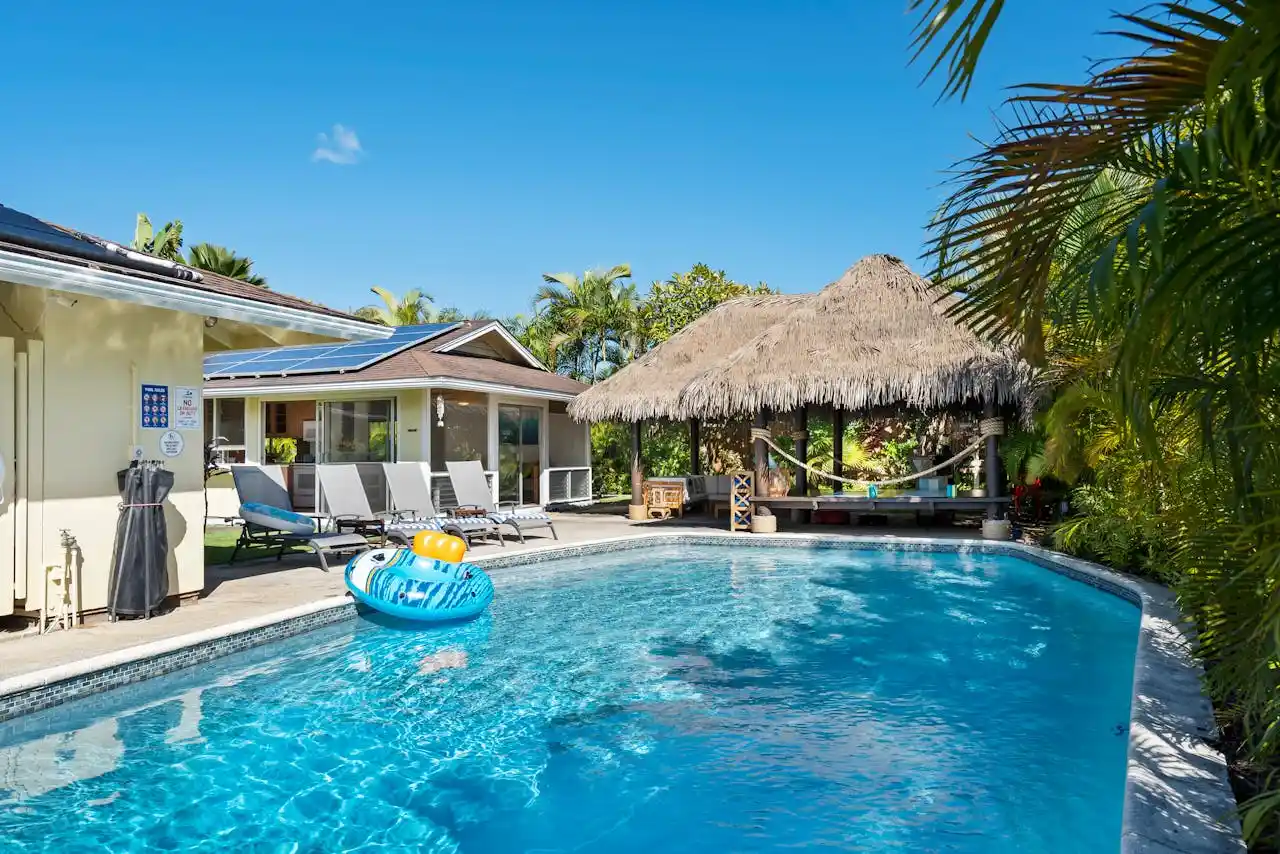
Owning a pool in Winter Haven, FL is one of life’s great pleasures. However, keeping that water crystal clear takes more than a weekly skim. Pool chemical balancing is the foundation of a healthy, safe, and inviting swimming environment. Without it, your pool can quickly become cloudy, irritating, or even unsafe to swim in.
Central Florida’s warm, sunny climate is a dream for pool owners. Because of this, pools here see heavy use throughout most of the year. More swim time means more demand on your water chemistry. Therefore, staying on top of chemical balance is especially important for Winter Haven homeowners.
In this guide, we’ll walk you through everything you need to know about pool chemical balancing. From the key chemicals to test, to common mistakes to avoid, this post has you covered. Let’s dive in.
Why Pool Chemical Balancing Matters in Central Florida
Florida’s outdoor lifestyle is second to none. Families in Winter Haven spend more time in their pools than almost anywhere else in the country. Additionally, the intense sun and heat accelerate chemical breakdown in pool water. This means your chemistry can shift faster than you might expect.
Imbalanced water causes real problems. For example, water that’s too acidic can irritate eyes and skin. On the other hand, water that’s too alkaline leads to cloudy water and scaling on pool surfaces. Furthermore, poor chemical balance shortens the life of your pool equipment and finishes.
Moreover, a well-balanced pool is simply more enjoyable. Clear, comfortable water makes every swim better. Because of this, regular chemical testing and adjustment should be part of every pool owner’s routine.
The Long Swim Season Changes Everything
Winter Haven pools often stay in use for nine or more months out of the year. Therefore, the demand on your pool chemistry is much higher than in cooler climates. Heat speeds up chlorine consumption and algae growth. As a result, you may need to test and adjust your water more frequently than the standard weekly recommendation.
Also, heavy rain is common in Central Florida during summer. Rain dilutes your pool water and throws off chemical levels quickly. Therefore, always test your water after a significant rainfall event.
The Core Chemicals You Need to Understand
Effective pool chemical balancing starts with knowing the key players. There are several chemicals that work together to keep your pool healthy. Here’s a breakdown of the most important ones.
Chlorine: Your Pool’s First Line of Defense
Chlorine sanitizes your pool by killing bacteria and algae. It is the most important chemical in your pool. However, chlorine levels drop fast in Florida’s heat and sun. Therefore, you need to test chlorine levels at least twice per week during peak swim season.
The ideal free chlorine level is typically between 1 and 3 parts per million (ppm). Below that range, your pool becomes a breeding ground for bacteria. Above it, the water can irritate swimmers’ skin and eyes.
Additionally, consider using stabilized chlorine products. These include cyanuric acid, which helps chlorine last longer under direct sunlight. This is especially helpful in sunny Winter Haven.
pH: The Balance Point for Everything
pH measures how acidic or alkaline your pool water is. It affects everything from chlorine effectiveness to swimmer comfort. The ideal pH range for pool water is 7.2 to 7.6.
High pH makes chlorine much less effective. As a result, algae and bacteria can thrive even when chlorine levels look normal. Low pH, meanwhile, can cause corrosion to your pool equipment and surfaces. Therefore, keeping pH in range is critical to pool chemical balancing.
Total Alkalinity: pH’s Stabilizer
Total alkalinity (TA) acts as a buffer for your pool’s pH. In other words, it keeps pH from swinging wildly after chemical additions or heavy rain. The recommended TA range is generally 80 to 120 ppm.
Low alkalinity allows pH to fluctuate rapidly. High alkalinity makes pH very difficult to adjust. Therefore, getting TA right makes all other balancing tasks much easier.
Calcium Hardness: Protecting Your Pool’s Surfaces
Calcium hardness measures how much dissolved calcium is in your water. Too little calcium causes water to leach minerals from your pool’s plaster or tile. This leads to pitting and surface damage over time. Too much calcium causes scaling and cloudy water.
The ideal range is typically 200 to 400 ppm. Furthermore, Florida’s groundwater can have varying calcium levels. Therefore, it’s worth testing this regularly, especially after topping off your pool with well water or city water.
Cyanuric Acid: Sun Protection for Chlorine
Cyanuric acid (CYA) is a stabilizer that protects chlorine from UV breakdown. In Central Florida’s intense sunlight, CYA is especially valuable. Without it, chlorine can burn off within hours of application. The ideal CYA level is generally 30 to 50 ppm for most pools.
However, too much CYA can actually reduce chlorine’s effectiveness. This is called chlorine lock. Therefore, monitor CYA levels and avoid over-stabilizing your pool.
How to Test Your Pool Water Properly
Accurate testing is the backbone of good pool chemical balancing. First, collect a water sample from elbow depth, away from the return jets. This gives you a representative sample of your pool’s overall chemistry.
Next, use a reliable testing method. You have a few good options:
- Test strips: Quick and affordable, but less precise. Good for routine checks.
- Liquid test kits: More accurate than strips. Better for detailed readings.
- Professional water testing: Most accurate option. Many local pool supply stores offer free testing.
Additionally, consider bringing a water sample to a professional at least once a month. This gives you a complete chemical profile you can act on with confidence. Finally, keep a log of your test results over time. Tracking trends helps you spot problems early.
How Often Should You Test in Winter Haven?
During peak swim season in Central Florida, test your pool at least twice per week. After heavy rain or a large pool party, test immediately afterward. In cooler months, once per week is usually sufficient. However, never skip testing entirely — even in winter, chemistry can shift.
Common Pool Chemical Balancing Mistakes to Avoid
Even experienced pool owners make mistakes. Here are some of the most common ones — and how to avoid them.
- Adding chemicals all at once: Always add one chemical at a time. Wait for circulation before adding the next. This prevents dangerous reactions and gives each chemical time to disperse.
- Skipping alkalinity before pH: Always adjust total alkalinity first. Then adjust pH. Because of this sequence, your pH adjustments will be far more stable.
- Not pre-dissolving chemicals: Some granular chemicals should be dissolved in a bucket of water before adding to the pool. Skipping this step can bleach or damage your pool surface.
- Adding chemicals in direct sunlight: Add chlorine in the evening when possible. This reduces UV breakdown and stretches your chemical budget further.
- Ignoring cyanuric acid levels: In Florida, CYA management is critical. Test it monthly and drain and refill a portion of your pool if levels get too high.
Seasonal Tips for Pool Chemical Balancing in Winter Haven
Central Florida’s seasons are milder than most, but they still affect your pool chemistry. Here’s how to adapt your approach throughout the year.
Spring and Summer
Spring and summer bring heavy pool use, intense sun, and frequent afternoon thunderstorms. Therefore, test your water at least twice per week. Shock your pool weekly during peak use. Also, monitor CYA closely as chlorine burns off faster in direct sunlight.
Fall and Winter
Fall and winter in Winter Haven bring cooler temps and less swim time. However, your pool still needs regular attention. Test at least once per week. Additionally, adjust your chlorine levels slightly lower since cooler water slows bacterial growth. Finally, watch for algae after cold fronts, as temperature swings can disrupt chemical balance.
When to Call a Pool Professional
Sometimes, pool chemical balancing goes beyond a DIY fix. If your water stays cloudy despite your best efforts, it may be time to call in the pros. Additionally, persistent algae blooms, strong chemical odors, or skin irritation after swimming are all signs something is off.
A trusted pool professional can perform a thorough water analysis and recommend the right treatment plan. Furthermore, if your pool’s surfaces or equipment are showing signs of chemical damage, a professional assessment can prevent costly repairs down the road. Contact Extreme Pools for expert guidance on keeping your Winter Haven pool in top shape.
Frequently Asked Questions About Pool Chemical Balancing
How often should I shock my pool in Winter Haven, FL?
During peak swim season, shock your pool about once per week. Additionally, shock after heavy rainstorms, large gatherings, or anytime the water looks hazy. Florida’s heat and sun make regular shocking especially important.
What is the most important chemical to balance first?
Always adjust total alkalinity first. Then move to pH, and finally chlorine. This sequence makes each subsequent adjustment more effective and stable. Because of this order, you’ll spend less time and money on chemical corrections overall.
Can I use well water to fill my pool in Central Florida?
Yes, but be cautious. Well water in Central Florida often contains high levels of minerals, metals, or calcium. Therefore, test your water thoroughly after filling with well water. You may need to add a metal sequestrant or adjust calcium hardness significantly.
Why does my pool smell strongly of chlorine even after adding it recently?
A strong chlorine odor often signals combined chlorines, also called chloramines. These form when chlorine binds to body oils, sunscreen, or sweat. Therefore, the fix is usually to shock the pool aggressively with a non-chlorine or chlorine-based shock treatment.
How do I lower cyanuric acid levels if they get too high?
The most effective way to lower CYA is to partially drain and refill your pool with fresh water. There is no chemical that safely reduces CYA. Because of this, prevention is key — avoid over-stabilizing and monitor CYA monthly.
Trust Extreme Pools Inc. for All Your Pool Needs in Winter Haven
At Extreme Pools Inc., we’re passionate about helping Central Florida homeowners enjoy beautiful, safe, and well-maintained pools. We understand the unique demands of Florida’s climate. Therefore, our team brings local expertise to every project and every conversation.
Whether you’re building a brand-new custom pool, remodeling an existing one, or simply looking for guidance on pool care, we’re here to help. Our team combines experienced craftsmanship with friendly, personalized service — and we’re known throughout the region for our 5-star approach.
Transform your backyard into the oasis you’ve always dreamed of with Extreme Pools. Give us a call at 863-289-9619 to speak with a trusted Central Florida pool builder. We’re available Monday through Friday, 9 AM to 4 PM, and we’d love to hear about your pool goals.
Extreme Pools Inc. proudly serves homeowners throughout Central Florida, including Winter Haven and surrounding communities.